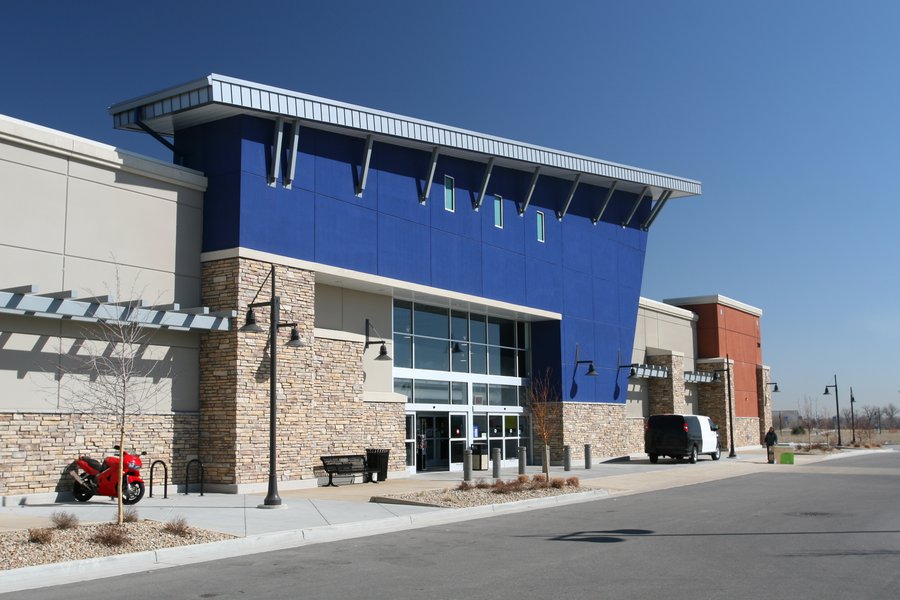
The first thing that comes to peoples' minds about the world's largest retailer, otherwise known as Walmart (NYSE: WMT) probably isn't "real estate company." But Walmart (besides being a retailer) is a real estate company, and a major one at that. With over 11,000 stores worldwide, Walmart most certainly has a real estate presence, and commercial real estate investors can get a piece of the action.
Walmart real estate dealings
Walmart operates a real estate company: Walmart Realty, based in Bentonville, Arkansas -- a company so large it employs accountants, attorneys, maintenance people, real estate professionals, engineers, asset managers, architects, financial analysts, HVAC techs, store planners, and more. Walmart likes to do things in-house as much as possible, a strategy that saves the company money.
Walmart Realty has several business models: It sells unoccupied Walmart stores, subleases buildings it leases, sells land it owns, and leases space within its stores. At the time of this writing, there were 571 listings on its site, broken down into "Land," "Buildings," and "In-Store Leasing" sections.
Selling old Walmart stores
In a typical scenario, Walmart operates a traditional Walmart or Sam's Club store in a community. If that store is successful enough that customer demand outgrows the space, Walmart might abandon the store and place a Walmart Supercenter nearby. (Walmart Supercenters are bigger versions of traditional Walmart stores; they also sell grocery items.)
So the abandoned stores don't sit vacant. Walmart repurposes them. These stores can become just about anything, since they're usually in a good location, the building is versatile, and there's normally adequate parking. Some old Walmarts become technical colleges, warehouses, manufacturing centers, car dealerships, call centers, retail stores, banks, or more -- and Walmart leases or sells it all.
Selling land
Walmart Supercenters require a lot of land. Walmart often buys more land than it needs, which it then sells to other retailers. It does this so it can create an environment around its Supercenters, picking which types of restaurants and retailers it will have for neighbors. Walmart prefers not to have bars and pawn shops next door.
Subleasing buildings and spaces
Walmart both owns and leases buildings. It subleases some of the buildings it leases to tenants. In addition, some Walmart locations are large enough to rent spaces inside the store, such as to hair salons, nail salons, optometrists, restaurants like McDonald's (NYSE: MCD), banks, and more.
Marketing strategy
Besides listing what Walmart has for sale or lease on its website, Walmart Realty aggressively looks for tenants all the time. The Walmart team works with communities and local real estate brokerages, and together, they find the right use of a Walmart facility for the community. When Walmart gets a tenant to buy or lease a building, it uses its in-house construction staff to renovate the space as needed for the tenant. It can also subdivide the space if needed, retrofitting the building to accommodate several different businesses.
The Millionacres bottom line
Walmart owns and leases more than 5,000 properties in the United States and over 11,000 properties worldwide. According to Walmart Realty, 90% of all Americans live within 10 miles of a Walmart store. Yes, Walmart is most definitely a real estate company. It's one of the biggest there is.
Read Again https://www.fool.com/millionacres/real-estate-investing/articles/is-walmart-a-real-estate-company/Bagikan Berita Ini


0 Response to "Is Walmart a Real Estate Company? - Motley Fool"
Post a Comment